Quick answer
Current balance generally reflects posted transactions. Available balance adjusts that figure for holds and some pending activity recognized by the institution. Before spending, use the available balance, then subtract checks, ACH payments, tips, subscriptions, or other commitments not yet shown and keep a cash-flow buffer.
Current balance and available balance answer different questions
| Number | What it usually includes | What it may omit |
|---|---|---|
| Current or ledger balance | Transactions that have posted to the account | Pending card authorizations, deposit holds, and items not presented |
| Available balance | Posted balance adjusted for holds or pending items the institution recognizes | Checks, ACH payments, tip changes, recurring charges, or released holds that later settle |
| Safe-to-spend estimate | Available balance minus known unposted payments and your buffer | Unexpected charges and events you have not recorded |
Institutions can use different labels and balance methods. The deposit agreement explains the controlling method for that account.
A worked $650 balance waterfall
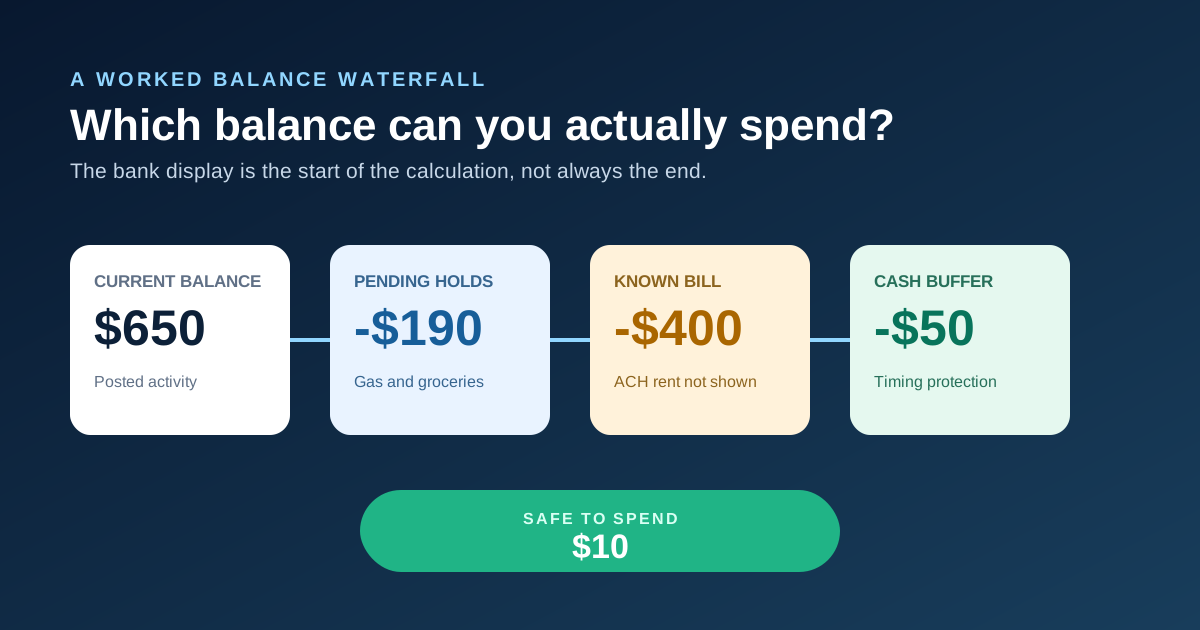
Suppose your current balance is $650. A $100 gas-station authorization and a $90 grocery purchase are pending, so the available balance is $460. Your $400 rent payment is scheduled through ACH but has not appeared. You also keep a $50 timing buffer.
| Step | Calculation | Remaining amount |
|---|---|---|
| Current balance | Posted activity | $650 |
| Pending holds | $650 - $100 - $90 | $460 available |
| Known rent payment | $460 - $400 | $60 |
| Cash-flow buffer | $60 - $50 | $10 safe-to-spend estimate |
Spending $460 because the app calls it available would ignore the rent payment and buffer. The account display is not wrong; it simply does not know every obligation you have made.
Why pending card amounts can change
A card authorization is a request to reserve funds before settlement. Gas stations, hotels, rental-car companies, and restaurants can place holds that differ from the final charge. A restaurant authorization may settle after a tip is added. A hold can disappear before a delayed final charge posts. The amount and duration depend on the merchant, network, and institution.
Keep the original purchase in your register until it settles. If a hold is larger or lasts longer than expected, ask the merchant whether it has released the authorization and ask the institution when the hold is scheduled to expire.
Deposits can appear before every dollar is available
A deposited check may show in account activity while part of it remains subject to a deposit hold. The available balance should reflect the portion the institution has released, but a hold notice is the better source for the exact release date. See how check-deposit hold times work before scheduling a payment against a new deposit.
Authorization-positive, settlement-negative overdrafts
The CFPB uses the phrase "authorize positive, settle negative" for a situation where a debit-card transaction is authorized when the account has enough available funds but settles after intervening activity has made the balance negative. The agency has said certain unanticipated fee practices can be unfair. That does not erase the need to record the transaction or settle the overdrawn amount. It means the authorization and settlement timeline matters when reviewing a fee.
If a fee looks inconsistent with your account agreement, save screenshots and the transaction timeline, then ask the institution to explain which balance and posting sequence it used. A one-time debit-card or ATM overdraft fee also generally requires affirmative opt-in under Regulation E.
Use a three-number daily routine
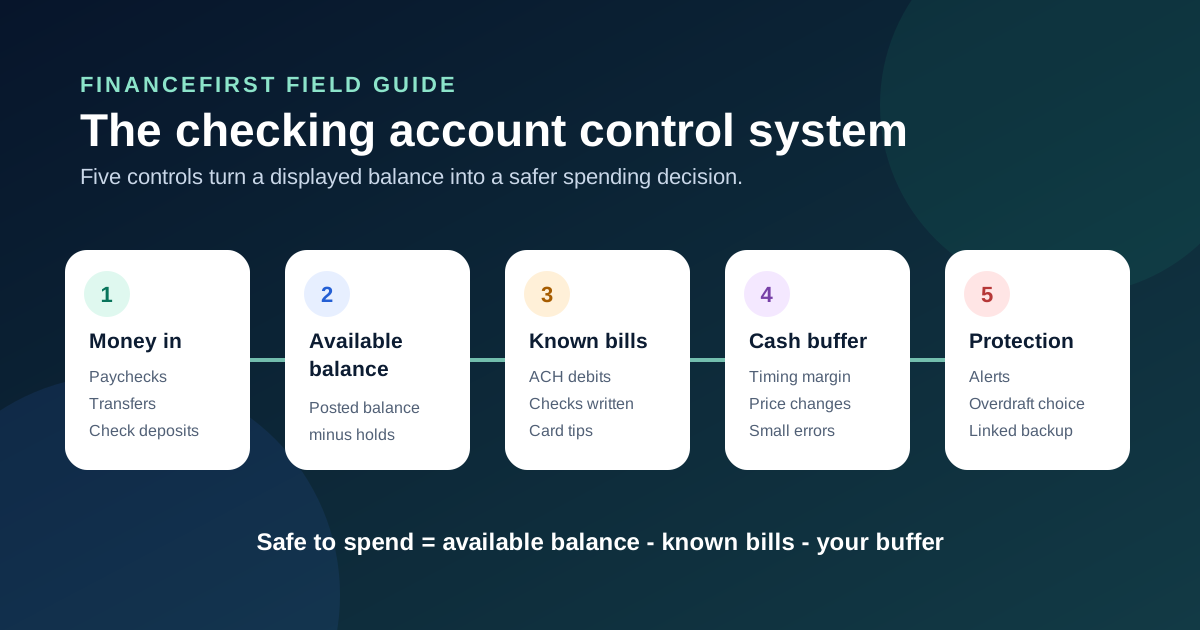
- Start with available balance. Treat current balance as a posted-activity record, not the spending number.
- Subtract known unposted payments. Include paper checks, scheduled ACH debits, recurring charges, and expected tip adjustments.
- Subtract a personal buffer. The right buffer reflects your payment timing and tolerance for a small mismatch.
Turn on low-balance and transaction alerts, but remember that an alert is triggered by the institution's data. It cannot warn about a check or bill the institution has not received. The checking account guide puts this balance routine inside the larger account-control system.
Model the cost of a timing mistake
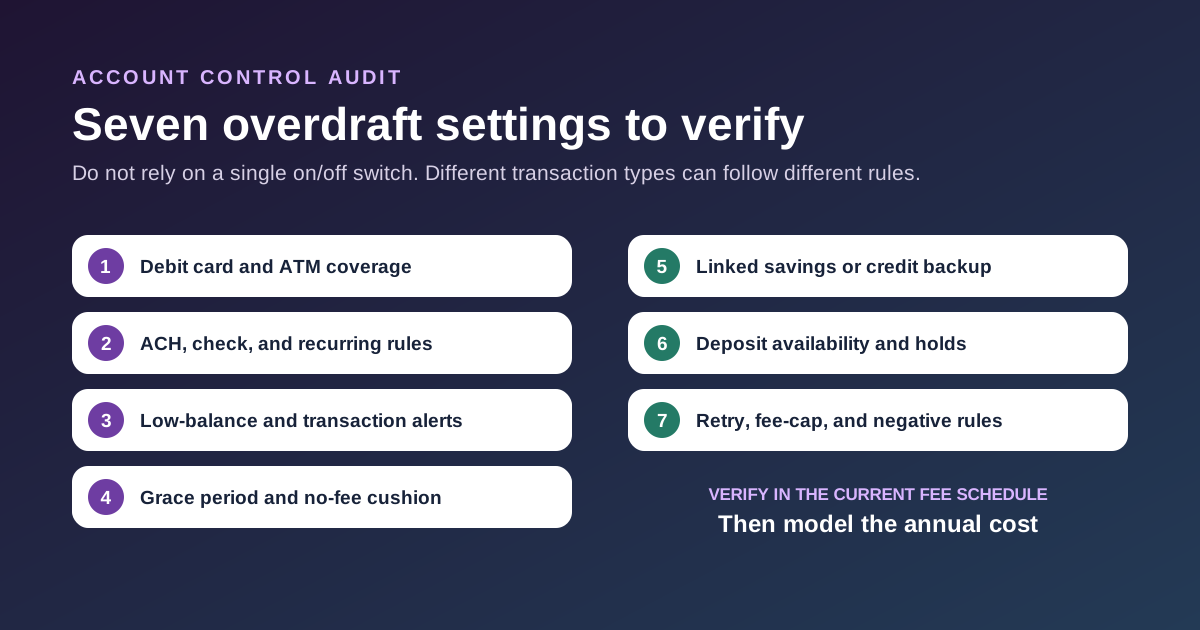
One low-balance week can create more than one cost: an overdraft fee, a returned-payment fee, a merchant fee, or a late-payment consequence. Use the Checking Account Cost Calculator to compare those entered costs across two accounts. Then complete the overdraft settings audit so the model matches the current account agreement.
Frequently asked questions
Why is my current balance higher than my available balance?
Pending card authorizations, deposit holds, or other reserved funds can reduce the available amount before they affect the posted balance.
Can I spend the full available balance?
You may be able to initiate a transaction, but doing so can leave no room for a check, ACH payment, adjusted tip, recurring charge, or timing change that is not yet shown. Subtract known commitments and a buffer first.
What if a pending charge is wrong?
Contact the merchant and the institution. Save the receipt, authorization amount, date, and screenshots. A pending authorization can follow a different correction process from a posted transaction.